Wolf in the Montaña de Riaño tourist destination
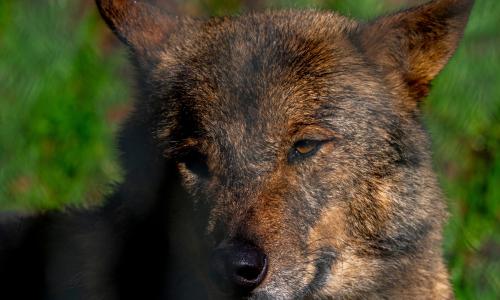
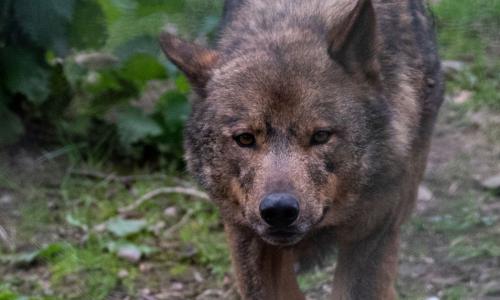
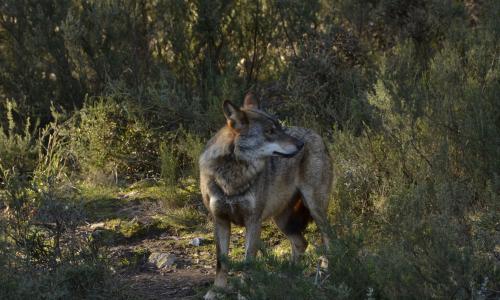
The Montaña de Riaño is one of the great strongholds of wild nature in the Iberian Peninsula and an increasingly popular ecotourism destination. It is home to some of the most emblematic species of the Cantabrian Mountains, such as the Iberian wolf, a elusive and fascinating animal that attracts nature lovers from all over the world.
Where to see wolves in Spain
The Iberian wolf, one of the most enigmatic carnivores in Europe, is mainly distributed in the northwest of the Iberian Peninsula. The main populations are found in Castilla y León, Galicia, Asturias, and northern Portugal. Among the most notable areas for wolf watching are the Picos de Europa, the Sierra de la Culebra Natural Park, and Montaña de Riaño.
In Montaña de Riaño, the wolf finds an ideal habitat. The mountainous areas provide shelter and a wide variety of prey, such as deer and roe deer. Although seeing wolves in the wild is not easy, there are strategic viewpoints where, with patience and luck, hikers may observe them. Some of the best places in this area include the Montaña de Riaño and Mampodre Regional Park, where ecotourism companies organize specialized guided excursions.
What the wolves of the Picos de Europa are like
The wolves of the Picos de Europa belong to the subspecies Canis lupus signatus, commonly known as the Iberian wolf. This subspecies is slightly smaller than the European wolf, with an average weight of between 25 and 40 kg, depending on sex. Iberian wolves have a distinctive coat with dark markings on the front legs and neck area, which gives them the name “signatus,” meaning “marked.”
In Montaña de Riaño, the wolf has adapted to mountainous conditions, surviving in an environment where human interaction has historically been conflictive. These animals are extremely cautious, and their nocturnal and crepuscular habits make them difficult to spot. However, it is estimated that more than 20 family groups of wolves inhabit this territory, some of them shared with the regions of Asturias, Cantabria, and Palencia. Their constant presence is a sign of the ecological richness of this part of the Picos de Europa.
Excursion to see wolves in the wild in the Picos de Europa
One of the most exciting ecotourism activities you can enjoy in Montaña de Riaño is a guided excursion to observe Iberian wolves in the wild. Specialized local companies offer guided routes through high-density wolf areas, giving visitors the opportunity to observe not only these majestic predators but also other large mammals in the region, such as the brown bear and the Cantabrian chamois.
You can visit the websites of Aveshide, ValdeonWife, or Wildwatching Spain, local companies that organize these activities with specialized guides and powerful optical equipment. These are full-day experiences designed for both adults and children.
Patience is essential in this type of activity. Wolves are not always seen on every excursion, but the chances increase by following the advice of local guides and using proper equipment. In addition, wolf watching is not the only attraction: during the excursion, you may also spot other iconic wildlife such as golden eagles, deer, roe deer, and even brown bears.
Tips for your wolf watching excursion in the Picos de Europa
If you decide to go on a wolf-watching excursion, it is important to follow some key recommendations to ensure a respectful experience with the environment:
Choose specialized local guides: their experience and knowledge of local wildlife significantly increase the chances of sightings.
Be patient and respectful: wolves are very elusive animals. Make sure to remain quiet and follow the guides’ instructions.
Come properly equipped: warm clothing, comfortable footwear, and binoculars are essential to move through the mountains and fully enjoy the experience.
Best timing: the best hours to see wolves are at dawn or dusk, when they are most active.
In summary, Montaña de Riaño, with its biodiversity and stunning landscapes, is the ideal place to experience close contact with nature. Observing Iberian wolves in their natural habitat is a unique activity that connects you with wildlife and allows you to discover one of the best-kept secrets of the Picos de Europa.