Hiking Trail Markers: A Basic Guide to Avoid Getting Lost on the Trail
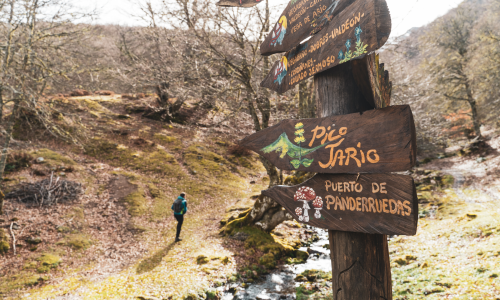
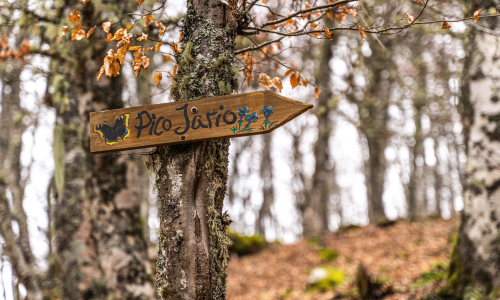
Hiking trail markers are an essential element for enjoying the mountains safely. Understanding these signs will help you navigate without needing GPS or complicated maps. In this article, we explain the different types of trail markers, how to interpret them, and why they are so important—especially if you are planning a getaway to destinations such as Montaña de Riaño, one of the hiking paradises in northern Spain.
What Are Hiking Trail Markers?
Hiking trail markers are visual signs that indicate the correct path along a mountain route. These markers may be painted on trees, rocks, posts, or walls, and they guide hikers from the beginning to the end of the trail. Their main purpose is to ensure that you stay on the right path and follow the route without difficulty.
In Spain, officially approved trails follow a unified system based on colors and shapes. The most common are:
GR (Long-Distance Trails): white and red lines, for routes longer than 50 km.
PR (Short-Distance Trails): white and yellow lines, for routes between 10 and 50 km.
SL (Local Trails): white and green lines, for short routes, usually circular, under 10 km.
These markers are placed regularly along the trail, especially at crossroads, forks, or areas where confusion may arise.
What Do Hiking Trail Markers Mean?
Each marker has a specific meaning, and learning to recognize them is important to avoid mistakes. Here are the most common ones:
Correct path: two parallel lines, with a white line above and the corresponding color below (red, yellow, or green).
Wrong path: two lines forming an “X,” indicating that you should not continue in that direction.
Change of direction: the lines form an angle to the left or right, indicating that you should turn.
Detour or alternative route: there may be arrows or additional markers for optional routes.
In addition, many trails have information panels at the starting point that provide details such as duration, altitude, difficulty level, and points of interest.
Types of Trail Markers and How to Interpret Them
Hiking trail markers are not always the same. Below are the different types you may encounter:
1. Painted Marks
These are the most common. They are painted in visible colors on rocks, tree trunks, or walls. They are usually placed at eye level or in clearly visible spots.
2. Wooden or Metal Signposts
These are installed in open areas where there are no natural surfaces to paint. They often include arrows, colors, and sometimes information about the route.
3. Cairns or Stone Markers
Piles of stones placed by hikers or mountain organizations. They are not official markers, but they can serve as useful reference points.
4. Information Panels
Located at the beginning or along the route, they provide an overview of the trail, including maps, estimated times, and basic guidelines.
Correctly interpreting these markers will allow you to follow the route without getting lost, even when there are junctions, side trails, or adverse weather conditions.
Tips for Following Trail Markers in the Mountains
Properly following hiking trail markers is essential to avoid accidents or getting lost. Here are some practical tips:
Pay attention from the start: make sure you identify the first marker and stay alert for the next ones.
Use a map or hiking app as support: Wikiloc, AllTrails, or downloaded maps can help if you have doubts.
Take photos of key markers: if you lose your way, you can check the images for reference.
Be mindful of the weather: snow, fog, or rain can cover or erase trail markers.
Safe Hiking in Montaña de Riaño
Montaña de Riaño, in the province of León, is a perfect destination for hiking enthusiasts. This area, made up of 25 municipalities, offers a huge variety of marked trails that cross valleys, peaks, beech forests, and viewpoints with spectacular views of the Picos de Europa.
Some of the most recommended routes include:
Hayedo de Hormas (PR-LE 24): a circular route through one of the best-preserved forests in the area.
Valle de Anciles Route: ideal for discovering local wildlife and enjoying the silence of the mountains.
Camino de Remoña: a natural connection to mountain passes with panoramic views.
All these routes feature clear signage. If you are planning a visit, you can find updated information on the official website: www.mriano.com.
Understanding and following hiking trail markers is essential for exploring the mountains safely. These signs not only guide you, but also protect you and improve your overall experience in nature. Before setting out, check the type of route, learn about the markers you are likely to encounter, and pay attention to the details.
If you are looking for an authentic experience surrounded by spectacular landscapes and well-marked trails, Montaña de Riaño is a destination that will not disappoint.