Chamois in the Riaño Mountains: where to see them in the wild
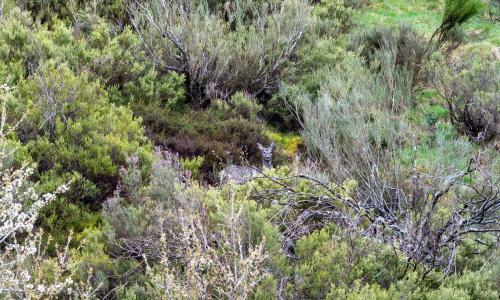
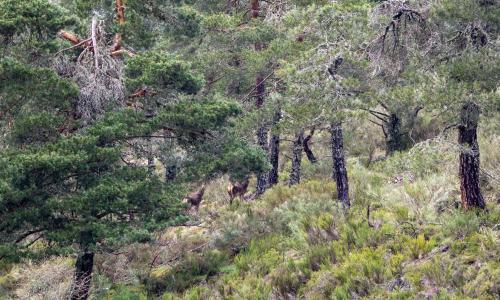
The chamois in the Riaño Mountains is one of the true stars of this unique landscape. Spotting it in the high mountain areas is an unforgettable experience for any nature lover. This iconic species lives freely in the valleys and mountain ranges of northern León, and today we’ll tell you everything you need to know to observe it safely and respectfully.
Are you up for looking for chamois on your next visit? Keep reading.
What the chamois is like: characteristics and curiosities
The chamois (Rupicapra pyrenaica) is a wild mountain mammal, agile, resilient, and perfectly adapted to steep terrain. In the Riaño Mountains, it is usually found above 1,200 meters of altitude, although in winter it descends to lower elevations in search of food.
Main characteristics:
Medium size: between 30 and 40 kg in adults.
Backward-curving horns, present in both males and females.
Light brown coat in summer and darker in winter.
Social behavior, often living in groups, especially females with their young.
A fun fact: the chamois is such an excellent climber that it can move across slopes of up to 60 degrees with ease.
Chamois habitat in the Riaño Mountains
The Riaño Mountains, within the Picos de Europa area, are a privileged place for wildlife. Chamois inhabit high, rocky areas with little human disturbance. Some key areas where they are frequently seen include:
Valdeburón Valley, with quiet trails and wide-open views.
Vega de Llos, in the Burón area.
The slopes of Peña Ten and Peña Beza, near Acebedo and Liegos.
High areas of the Riaño and Mampodre Regional Mountain Park.
They are most commonly seen grazing early in the morning or at sunset, when temperatures drop and the environment becomes calmer.
Best routes to see chamois in the wild
If you want to see chamois in the Riaño Mountains, these routes offer good opportunities:
Pandetrave Pass Route: spectacular views and quiet areas where chamois groups are frequently spotted.
Hormas Forest Trail: ideal for peaceful walkers, with chances of seeing wildlife at dawn.
Ascent to Peña Ten: a more demanding route, but with a very high likelihood of sightings.
It is always recommended to bring binoculars and remain silent to avoid disturbing the animals.
When and how to observe them without disturbing them
The best time to see chamois is between spring and autumn, when they move more openly across visible areas and there is less snow. In winter, they tend to shelter in more forested or inaccessible zones.
Tips for responsible viewing:
Walk quietly, without music or loud noise.
Do not approach them. If they detect you, they will move away.
Do not feed them or try to attract them.
Wear neutral-colored clothing to blend into the surroundings.
Avoid drones, as they scare wildlife.
If you are lucky, you may see groups with young or solitary males in more remote areas.
The importance of the chamois in the Picos de Europa ecosystem
The chamois is not only a visual icon; it also plays a vital ecological role:
It is natural prey for predators such as the Iberian wolf and the golden eagle.
It helps control vegetation in high mountain areas.
It is an indicator of ecosystem health, as its presence reflects a well-preserved habitat.
It is also part of mountain culture: it has appeared in local stories, traditions, and even on municipal coats of arms in the region.
Observing chamois in the Riaño Mountains is one of those experiences that connects you directly with authenticity: mountains, fresh air, silence, and wildlife. Whether you are a hiker or simply enjoying an easy walk, there are plenty of opportunities to admire this animal without disturbing it.