Centenary Trees in the Riaño Mountains
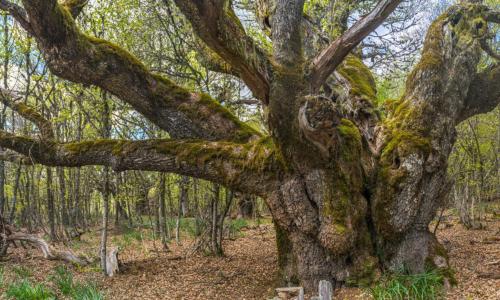
The Centenary Trees of the Riaño Mountains are true living monuments. These natural giants have witnessed the passage of time, rural life, the harsh mountain climate, and the stories of the villages that make up this spectacular area of León. If you are a nature lover or looking for unique hiking routes, this article is for you.
What Are Centenary Trees and Why Visit Them?
A centenary tree is one that has lived for more than one hundred years. But it is not only about age. These trees are also valued for their size, rarity, history, and role within the landscape. Many have served as meeting points, trail landmarks, or cultural symbols.
In the Riaño Mountains, you will find some of the most impressive specimens in León, including native species such as oaks, beeches, and yews, which have survived extreme conditions and still stand with remarkable strength.
Main Centenary Trees You Can Visit
Here are some of the most outstanding centenary trees in the Riaño Mountains, all included in marked hiking routes that can be consulted on the official website:
The Borbonejo Yew Tree: On the banks of the Esla River, in the village of Aleje, on the slope of Peña Rionda, stands this thousand-year-old yew tree. Despite being over a thousand years old, it remains in excellent condition. It is closely linked to local tradition, as the people of Aleje and Santa Olaja decorate their sweethearts’ windows with its bright branches on Saint John’s Day.
The Hormas Oak (“Roblón de Hormas”): In this magnificent forest, home to emblematic animals such as the Cantabrian brown bear and the capercaillie, stands this enormous oak known as the “Roblón de la Loma de Cueto Rey,” surrounded by other centenary trees nearby.
The Sestil de la Mata Great Oak (“Roblón del Sestil de la Mata”): This oak is in excellent condition, despite having some dry branches at the base and in the upper crown. Its roots are exposed on the lower slope, and the base of the trunk is covered with moss. No visible signs of pests or disease can be observed.
Routes to Discover the Centenary Trees in the Riaño Mountains
There are several routes that allow you to enjoy these centenary trees with ease. Here are some suggestions:
Hormas Forest Route: a circular trail passing through beech forests and areas filled with centenary trees.
Modino Great Oak Trail (“Senda del Roblón de Modino”): a family-friendly route of around 10 km with very little elevation gain. It can be enjoyed at any time of year, although it is especially beautiful in spring and autumn. During the hottest months, it is best to avoid the middle of the day, as the final section has little shade.
Sestil de la Mata Great Oak Trail: a beautiful circular hiking route leading to the impressive Sestil de la Mata Oak, which is included in the Castile and León Catalogue of Particularly Significant Plant Specimens.
When Is the Best Time to Visit the Centenary Trees?
Spring and autumn are the best seasons to enjoy these routes. In spring, the trees burst into life, while in autumn the landscape turns golden, ochre, and red, creating a spectacular visual display.
In winter, some routes may be covered with snow, but if you enjoy winter hiking, the experience is magical. Just make sure you are properly equipped.
Tips for Your Visit
Wear suitable footwear, as some areas may be wet or slippery.
Respect the trees: do not carve into the bark or climb them.
If visiting in a group, keep quiet upon arrival. Many of these places are considered spaces for respect and contemplation.
Always check the condition of the trails on the official website.
Exploring the Centenary Trees in the Riaño Mountains is much more than a hiking route: it is a journey into the past through living nature. These trees are part of the region’s natural and cultural heritage and offer a unique experience at any time of year.
Are you ready to discover them? Visit our website and plan your next getaway to the Riaño Mountains, where every tree has a story to tell.