Transhumance: Tradition, History, and Its Importance Today
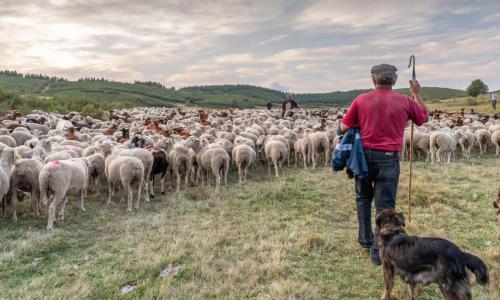
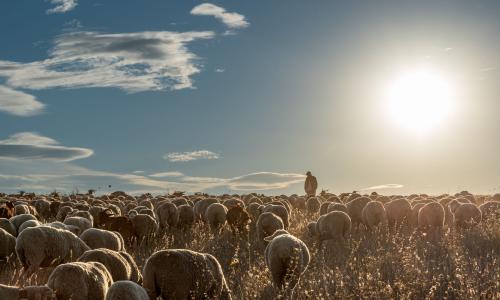
Transhumance is an ancient practice that has shaped landscapes, economies, and cultures in many regions of the world. It consists of the seasonal movement of livestock in search of better grazing lands, ensuring both their nourishment and the balance of the ecosystem.
In this article, we will explore what transhumance is, its history, the benefits it provides, and how it remains alive in places such as the Riaño Mountains, where it continues to be an essential part of the rural heritage.
What Is Transhumance?
Transhumance is the seasonal movement of herds between different grazing areas. It is mainly practiced with sheep, cattle, and horses, following well-established routes known as cañadas, cordeles, and veredas (traditional livestock trails).
There are two main types of transhumance:
Vertical transhumance: when herds move between valleys and mountains according to the season.
Horizontal transhumance: when movement takes place across large plains in search of better climatic conditions.
This tradition allows natural resources to be used without overexploitation, promoting sustainable livestock farming in harmony with the environment.
History and Evolution of Transhumance
Transhumance dates back to prehistoric times, when early human groups began domesticating animals and moving them in search of food. However, it was during Roman times and later in the Middle Ages that this practice reached its highest level of organization in the Iberian Peninsula.
In Spain, the Catholic Monarchs promoted the Mesta, a powerful association of livestock owners that regulated transhumant routes and protected grazing rights. This led to the development of a network of royal drove roads (cañadas reales) that still exists today, although on a more limited scale.
With the arrival of industrialization and the intensification of livestock farming, transhumance lost prominence. Nevertheless, in many areas it remains essential for maintaining landscapes and biodiversity.
Benefits of Transhumance
Transhumance is not only a traditional way of life but also provides numerous benefits.
Ecological Benefits
Encourages pasture regeneration, preventing soil overexploitation.
Helps control forest fires by reducing the accumulation of dry vegetation.
Contributes to seed dispersal and ecosystem diversity.
Transhumance in the Riaño Mountains
In the Riaño Mountains, transhumance remains a living and essential practice for preserving both the landscape and livestock traditions. At the end of spring or the beginning of summer, herds arrive at the mountain pastures after traveling long distances.
The sheep move slowly, grazing and resting at the pace set by the shepherds. Their destination is the mountain passes, where the pastures have been preserved thanks to a centuries-old management system based on knowledge passed down from generation to generation.
Prioro and Tejerina: The Heart of Transhumance
One of the key locations for transhumance in the Riaño Mountains is the municipality of Prioro–Tejerina, where herds arrive every year after traveling along ancient livestock routes.
This grazing system is still governed by local community regulations, which guarantee the sustainable use of resources and preserve a livestock model that respects nature.
Thanks to transhumance, this area maintains a unique historical, cultural, and landscape heritage, where the knowledge of rural communities continues to shape the territory and is passed on to new generations.
The Future of Transhumance
Despite its many benefits, transhumance faces several challenges that threaten its continuity:
Rural depopulation: the lack of generational renewal makes it difficult to continue livestock activities.
Climate change: disruptions in natural cycles affect pasture availability.
Urban and infrastructure pressure: many livestock trails have been occupied by roads, crops, or urban developments.
However, there are initiatives aimed at preserving and promoting transhumance, such as transhumance tourism routes, its recognition as Intangible Cultural Heritage by UNESCO, and support for extensive livestock farming.
Transhumance is much more than a livestock tradition: it is a way of understanding the relationship between human beings and nature. In the Riaño Mountains, this practice remains alive, reminding us of the importance of a sustainable balance between grazing, culture, and biodiversity.