Iberian wolf
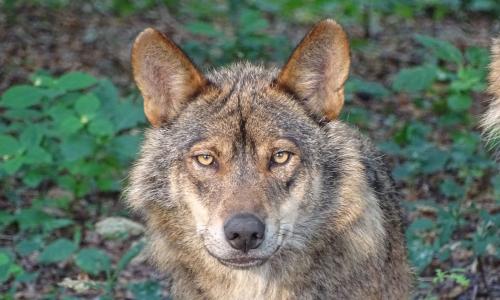
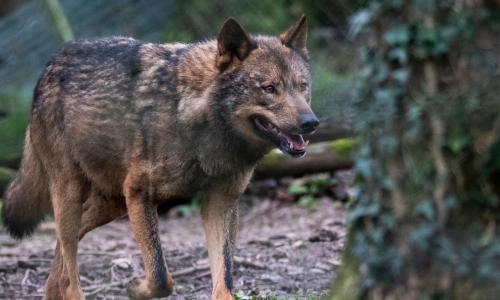
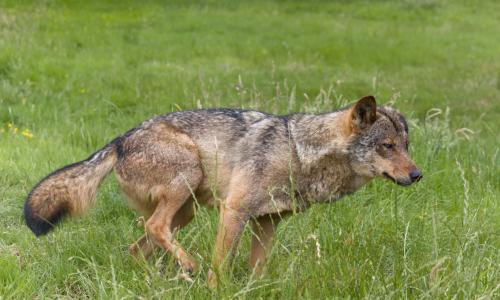
The Iberian wolf, a subspecies of the grey wolf (Canis lupus signatus), is one of the great natural treasures of the Iberian Peninsula. Its role in ecosystems is essential, as it helps maintain natural balance by controlling prey populations. Would you like to learn more about this predator? In this article, we explain its characteristics, distribution, and the impact it has on biodiversity.
Distribution of the Iberian wolf in Spain
The Iberian wolf is mainly distributed in the north of the peninsula, with the strongest populations in Castilla y León, Galicia, Asturias, and Cantabria. Although in the past it ranged across the entire peninsula, today it is mostly restricted to areas north of the Duero River, with only fragmented populations surviving further south.
Although northern Portugal, Galicia, Asturias, Cantabria, and Palencia are ideal areas for the Iberian wolf, it is in the Montaña de Riaño Regional Park and the Leonese side of the Picos de Europa National Park where the Iberian wolf finds an ideal habitat thanks to the abundance of natural prey such as deer and roe deer, as well as the low human disturbance in its most remote areas. In addition, this park is gaining popularity as a destination for wolf-watching in the wild, attracting nature lovers. Would you like to experience wildlife observation firsthand? Here you can explore the different activities available in Montaña de Riaño.
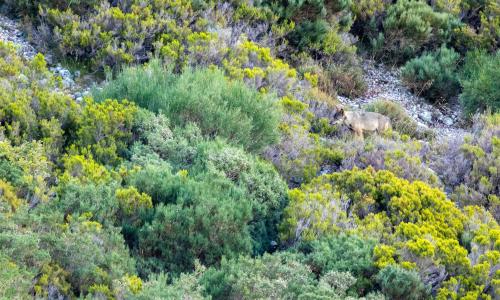
In the last decade, Montaña de Riaño has become one of the main destinations on the Iberian Peninsula for observing wolves in the wild. This is one of the most difficult Iberian species to spot in nature due to its elusive behavior (a legacy of centuries of persecution and human conflict) and its crepuscular and nocturnal habits. However, it has a healthy population in Montaña de Riaño, with no fewer than 20 family groups distributed throughout the territory, especially in the more mountainous northern half. Discover our wolf project at www.loboriano.com.
Characteristics of the Iberian wolf
The Iberian wolf is notable not only for its ecological importance but also for its physical and social characteristics. Here are some interesting facts about this species:
Physical appearance
Size: Iberian wolves typically measure between 120 and 140 cm in length and weigh between 30 and 40 kg, with males being larger than females.
Distinctive markings: its scientific name, signatus, refers to the dark markings on its back, tail, and front legs, which are unique to this subspecies.
Fur: dense, with brown and grey tones, perfectly adapted for camouflage in the landscapes of the peninsula.
Social behavior
The Iberian wolf is a highly social animal that lives in organized packs under a strict hierarchy. Only the alpha pair reproduces, ensuring that territorial resources are sufficient to raise the pups.
Reproduction: breeding season begins in late winter. Litters usually range from 1 to 11 pups, born after about 63 days of gestation.
Pup rearing: pups depend first on maternal milk and later on regurgitated meat from adults until they are strong enough to hunt.
Diet
The Iberian wolf is an opportunistic predator. Its usual prey includes:
Large herbivores such as wild boar, deer, and roe deer
Smaller animals such as rabbits and rodents
Occasionally carrion or even wild fruits
This adaptability has allowed it to survive in different environments, although in some areas it generates conflicts with livestock farming, such as in northern Portugal.
Photographs of the Iberian wolf
Observing or photographing the Iberian wolf in its natural habitat is a real challenge, but also an unforgettable experience. These animals are elusive and avoid human presence, making them one of the most sought-after subjects for wildlife photographers.
Tips for photographing Iberian wolves:
Choose the best locations: natural parks such as Montaña de Riaño in León offer routes and viewpoints where you may be lucky enough to spot wolves in the wild.
Use proper equipment: a telephoto lens is essential to capture images from a distance without disturbing the animal.
Be patient: wildlife observation requires time and dedication, but the reward can be unique.
Hire specialized guides: some operators offer tours to observe wolves and learn more about them.
Did you know that Spain is one of the best places in the world to observe Iberian wolves in the wild? The combination of stable populations and diverse ecosystems makes it an ideal destination for wildlife enthusiasts.
Conservation status of the Iberian wolf
The Iberian wolf has gone through critical times in recent decades. In the 1970s, it was on the brink of extinction, but thanks to conservation measures, its population has begun to recover. However, it still faces several challenges:
Main threats:
Conflicts with livestock farming: although the wolf plays an essential ecological role, some farmers consider it a threat to their livestock.
Poaching: despite legal protection, illegal hunting remains a problem in some regions.
Habitat fragmentation: the expansion of roads and urban areas reduces the territories where wolves can live and hunt.
In 2021, the Iberian wolf was included in Spain’s List of Species under Special Protection, prohibiting its hunting throughout the country.
The Iberian wolf is much more than a symbol of Iberian wildlife; it is a fundamental pillar of ecosystem balance. Learning about it and protecting it is everyone’s responsibility. If you ever have the opportunity to see it in the wild, you will be witnessing not only an unforgettable experience but also the result of years of effort to preserve this unique species.
What do you think about the Iberian wolf? Would you like to learn more or discover places where you can observe it? On our website, you can find information to plan your next trip.