The Bearded Vulture
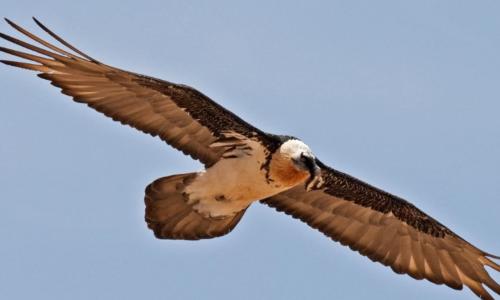
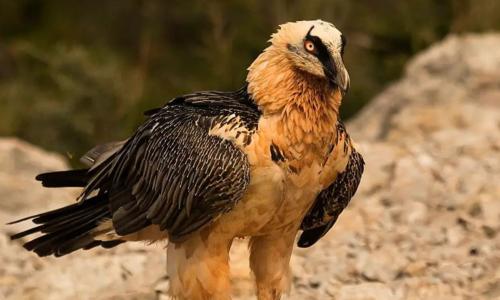
The bearded vulture is, without a doubt, one of the most spectacular and rarest birds that can be found in the Montaña de Riaño area. With its unusual diet based on bones, this bird of prey has returned to the Picos de Europa after decades of local extinction. Today, its population is in full recovery, and more and more people are coming to this region to observe it in the wild. Are you ready to discover more about the bearded vulture and the best places to see it? Keep reading!
Where to see the bearded vulture in Montaña de Riaño
If you are passionate about birdwatching, Montaña de Riaño is a perfect place to try spotting the bearded vulture. The Picos de Europa National Park, on its Leonese side, is one of the main areas where you can observe these majestic birds. In recent decades, thanks to conservation efforts, the number of individuals has increased significantly, giving you more chances for an unforgettable encounter.
The Montaña de Riaño and Mampodre Regional Park is also an ideal location for sightings, with trails and viewpoints that offer privileged views. Hiking routes across the area provide perfect moments to stop and, with a bit of luck, spot these impressive vultures in flight.
Would you like to discover everything the natural environment of Montaña de Riaño has to offer, as well as the activities you can enjoy? Visit our website for more information and start planning your next adventure.
Characteristics of the bearded vulture
The bearded vulture (Gypaetus barbatus) is one of the most fascinating vultures in the world. With a wingspan that can exceed 2.7 meters, it is known for its unique diet. Unlike other vultures, the bearded vulture specializes in eating bones, which it drops from great heights to break them and consume the smaller fragments. This unique behavior gives it its name and makes it one of the most specialized birds in the ecosystem.
Physically, its reddish plumage and piercing gaze give it an imposing appearance, but despite its size, it poses no danger to humans. Its longevity is another remarkable trait, as a bearded vulture can live for more than 30 years.
Another characteristic feature is its slow reproduction rate. Pairs usually lay only one or two eggs per season, making population recovery a long and complex process, but essential for the species’ survival in the Cantabrian Mountains.
The bearded vulture chooses Montaña de Riaño for nesting
In recent years, the bearded vulture has found Montaña de Riaño to be an ideal place for breeding and thriving. According to Gerardo Báguena, director of the Foundation for the Conservation of the Bearded Vulture (FCQ), the population of this species in the Picos de Europa has grown to around 45 individuals, a promising figure considering they were recently extinct in the area.
The recovery plan has succeeded in establishing up to four breeding pairs in the Picos de Europa, a major milestone. Most of these individuals come from the Government of Aragon, where the population is much more consolidated, with more than 400 individuals.
Montaña de Riaño is a privileged area due to its altitude, tranquility, and biodiversity, making it the perfect home for these birds to nest and continue increasing their population. This is a key step toward achieving a population of 100 to 120 individuals that will ensure long-term self-sustainability.
If you want to learn more about the current status of the bearded vulture in the Picos de Europa, you can read more in the full article from Diario de León.
Why is it important to conserve the bearded vulture?
The bearded vulture is much more than a rare bird of prey: it is a symbol of environmental recovery and the fight to preserve biodiversity in the Cantabrian Mountains. Its return to Montaña de Riaño is a clear sign that high-mountain ecosystems are improving and can support healthy populations of key species.
Moreover, its conservation benefits not only the species itself but also others that share its habitat, such as the brown bear or the Iberian wolf. Protecting the bearded vulture means protecting an entire ecosystem and ensuring that future generations can enjoy the rich wildlife of the Picos de Europa.
The bearded vulture is one of the great jewels of Spanish wildlife, and its return to Montaña de Riaño is a cause for celebration for all nature lovers. Seeing this bird in its natural habitat is an unforgettable experience.